

Table of Contents
Many people don’t realize that codeine in Tylenol is available in Canada and other countries, but not in the United States. This combination pain reliever contains both acetaminophen (Tylenol) and codeine, an opioid that can provide stronger pain relief than regular Tylenol alone.
This guide is for anyone considering this medication, patients currently taking it, or caregivers who want to understand the risks and benefits. You’ll learn about the codeine dose in Tylenol products and how they work for pain management. We’ll also cover the important safety guidelines you need to follow and the potential side effects you should watch for. Finally, we’ll discuss addiction risks and alternative pain management options that might work better for your situation.
Understanding what you’re taking and how much codeine mg in Tylenol you’re getting can help you make informed decisions about your pain management and stay safe while using this medication.
Understanding Codeine and Its Role in Pain Management
What codeine is and how it works in your body
Codeine belongs to a class of medications called opioids, which are derived from the opium poppy plant. As one of the milder opioids available, codeine transforms into morphine once it enters your body through a process handled by your liver enzymes. This conversion is what actually provides the pain-relieving effects you experience.
When you take codeine, it travels through your bloodstream to your brain and spinal cord, where it binds to specific receptors called opioid receptors. These receptors are your body’s natural pain control system. By attaching to these receptors, codeine blocks pain signals from reaching your brain, effectively reducing the intensity of pain you feel.
The effectiveness of codeine varies significantly from person to person due to genetic differences in liver enzymes. Some people are “ultra-rapid metabolizers” who convert codeine to morphine very quickly, while others are “poor metabolizers” who convert very little Codeine in Tylenol to its active form. This genetic variation explains why codeine works wonderfully for some people but provides minimal relief for others.
Your body processes Codeine in Tylenol relatively quickly, with peak effects occurring about one to two hours after taking it orally. The pain-relieving effects typically last between four to six hours, which is why most codeine-containing medications are taken every four to six hours as needed.
Why codeine is combined with acetaminophen in Tylenol products
The combination of codeine in Tylenol products creates a powerful synergistic effect that enhances pain relief beyond what either medication could achieve alone. Acetaminophen (the active ingredient in Tylenol) and Codeine in Tylenol work through completely different pathways in your body, making them excellent partners for managing various types of pain.
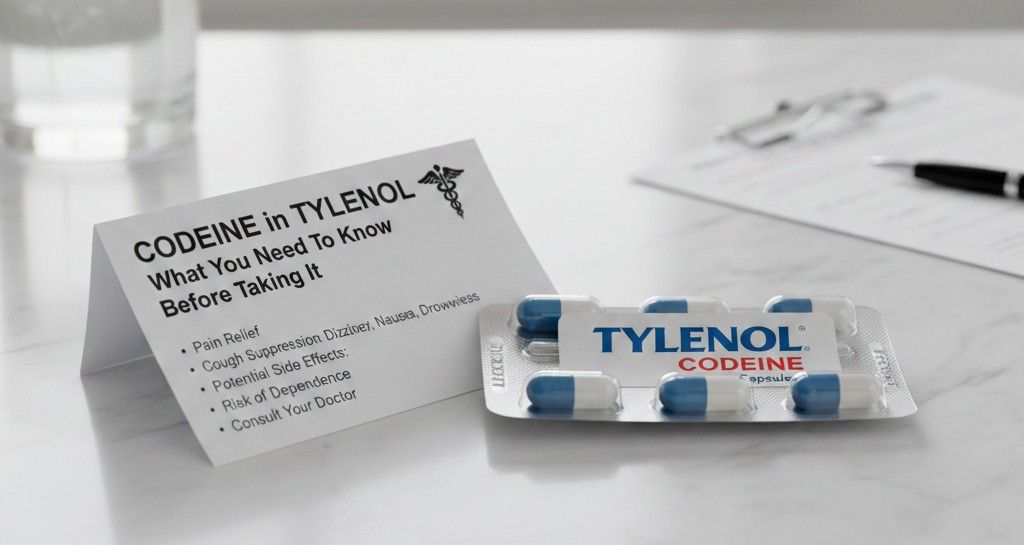
Codeine is an opioid medication used to relieve moderate pain and suppress coughs. As an antitussive, it reduces the brain’s urge to cough. Codeine comes in tablets, capsules, and syrups, and should be used only under medical supervision.
Acetaminophen primarily works in your brain to reduce pain signals and lower fever, while codeine targets opioid receptors throughout your nervous system. This dual approach allows the combination to tackle pain from multiple angles simultaneously. The result is more effective pain relief at lower doses of each individual medication, which helps minimize potential side effects.
This pairing proves particularly effective for moderate pain that doesn’t respond adequately to acetaminophen alone but doesn’t require stronger opioid medications. Common situations where this combination excels include dental procedures, minor surgeries, injury recovery, and certain chronic pain conditions.
The combination also offers practical advantages. Acetaminophen helps reduce inflammation and fever that often accompany painful conditions, while Codeine in Tylenol addresses the pain signals directly. This comprehensive approach means you’re treating multiple aspects of your discomfort with a single medication.Codeine in Tylenol
Different strengths and formulations available
Codeine Tylenol in Canada comes in several standardized formulations, with the most common being Tylenol #3, which contains 30mg of codeine phosphate combined with 300mg of acetaminophen. Other available strengths include Tylenol #2 (15mg codeine/300mg acetaminophen) and Tylenol #4 (60mg codeine/300mg acetaminophen).
The codeine dose in Tylenol preparations follows a specific numbering system that makes identification straightforward:
| Product | Codeine Content | Acetaminophen Content |
| Tylenol #1 | 8mg | 325mg |
| Tylenol #2 | 15mg | 300mg |
| Tylenol #3 | 30mg | 300mg |
| Tylenol #4 | 60mg | 300mg |
These medications come exclusively as oral tablets or capsules, designed for swallowing whole with water. The codeine mg in Tylenol formulations are carefully balanced to provide optimal pain relief while maintaining safety margins for the acetaminophen component.
Each strength serves different pain management needs. Lower strengths like Tylenol #2 work well for mild to moderate pain, while Tylenol #3 handles moderate pain effectively. Tylenol #4, with its higher codeine content, is reserved for more severe pain situations under closer medical supervision.
The sustained-release formulations aren’t available for codeine-acetaminophen combinations, as the immediate-release versions provide adequate duration of action for most clinical situations. Healthcare providers select the appropriate strength based on your pain severity, previous pain medication experience, and individual response to treatment.
Key Medical Uses and Effectiveness
Types of pain conditions codeine treats best
Codeine in Tylenol works most effectively for mild to moderate pain that doesn’t respond well to regular acetaminophen alone. Doctors commonly prescribe this combination for dental pain following extractions or oral surgery, where the anti-inflammatory effects aren’t as crucial as pure pain relief. The medication also proves particularly helpful for back pain, especially lower back discomfort that stems from muscle strain or minor disc issues.
Post-surgical pain represents another key area where Codeine in Tylenol shines. After procedures like appendectomies, hernia repairs, or minor orthopedic surgeries, patients often need something stronger than over-the-counter options but don’t require heavy-duty opioids. The combination provides that middle ground of effectiveness.
Chronic pain conditions like fibromyalgia or arthritis sometimes benefit from codeine Tylenol, though doctors typically reserve it for breakthrough pain rather than daily management. Cancer patients may also receive prescriptions when their regular pain management needs a temporary boost during flare-ups or between stronger medication doses.
When doctors typically prescribe codeine-containing Tylenol
Medical professionals prescribe codeine in Tylenol when patients need step-up pain management that bridges the gap between basic over-the-counter medications and stronger prescription opioids. This usually happens after trying regular Tylenol or ibuprofen without adequate relief.
Emergency departments frequently prescribe this combination for acute injuries like sprains, strains, or minor fractures where immediate pain control is necessary. The codeine dose in Tylenol typically ranges from 8mg to 60mg per tablet, allowing doctors to tailor prescriptions based on pain severity and patient tolerance.
Primary care physicians often turn to this medication for patients recovering from outpatient procedures or dealing with severe headaches that don’t respond to standard treatments. Dental professionals commonly prescribe it after wisdom tooth extractions or root canal procedures, where pain can be intense but temporary.
Doctors also consider prescribing codeine Tylenol for patients who cannot take NSAIDs due to stomach issues, kidney problems, or blood-clotting concerns. This makes it a valuable alternative when other pain relief options are off the table.
How quickly you can expect pain relief
Pain relief from codeine in Tylenol typically begins within 30 to 60 minutes after taking the medication orally. The onset time can vary based on whether you take it with food – an empty stomach usually leads to faster absorption, while eating may delay but potentially reduce stomach irritation.
The codeine component requires conversion by your liver into morphine to become effective, which explains why relief doesn’t happen immediately. People with certain genetic variations may process codeine differently, affecting both the speed and intensity of pain relief. Some individuals are “poor metabolizers” and may experience minimal effects, while others are “ultra-rapid metabolizers” and could face stronger-than-expected results.
Peak pain relief generally occurs between one to two hours after taking the medication. During this window, most patients experience their maximum benefit from both the acetaminophen and codeine working together synergistically
Codeine works by suppressing the central cough reflex, making it highly effective for dry, irritating coughs. Unlike over-the-counter remedies, it targets the neurological trigger, providing long-lasting relief.
Duration of effectiveness per dose
A single dose of codeine Tylenol typically provides pain relief for four to six hours, though individual experiences can vary significantly. The acetaminophen component tends to maintain steady levels in your system, while codeine levels peak and then gradually decline.
Most prescriptions recommend dosing every four to six hours as needed, with specific limits on daily intake. The Codeine in Tylenol formulations affects duration – higher doses may provide longer-lasting relief but also increase the risk of side effects.
Factors that influence duration include your body weight, metabolism speed, pain severity, and whether you’ve built up any tolerance to opioid medications. Taking the medication consistently as prescribed helps maintain steady pain control, while sporadic use may lead to periods of breakthrough pain between doses.
Essential Safety Guidelines and Precautions
Proper dosing instructions to avoid overdose
Getting the dosing right with codeine-containing Tylenol is absolutely critical for your safety. The standard codeine dose in Tylenol varies by formulation – most commonly, you’ll find tablets containing 8mg, 15mg, or 30mg of codeine paired with acetaminophen. Adults typically take 15-60mg of codeine every 4 hours as needed, but never exceed 360mg of codeine in a 24-hour period.
What makes this trickier is that you’re dealing with two active ingredients. While watching your codeine intake, you also need to monitor acetaminophen levels. Never take more than 4,000mg of acetaminophen daily from all sources combined – this includes other medications, cold remedies, and prescription drugs.
Always use the measuring device that comes with liquid formulations. Kitchen spoons aren’t accurate and can lead to dangerous overdoses. Start with the lowest effective dose and only increase if necessary. Your body builds tolerance to codeine over time, but this doesn’t mean higher doses are automatically safer.
Set phone alarms to track timing between doses. Taking codeine too frequently can overwhelm your system’s ability to process it safely, leading to respiratory depression or liver damage from the acetaminophen component.
Who should never take codeine-containing medications
Certain people face serious risks when taking codeine in Tylenol and should avoid these medications entirely. Children under 12 years old should never receive codeine-containing products due to life-threatening breathing complications. The FDA has issued black box warnings after several pediatric deaths linked to codeine use.
Teenagers between 12-18 years old who’ve recently had tonsil or adenoid surgery are also at high risk. Their bodies may process codeine unpredictably during recovery, potentially causing fatal respiratory depression.
Pregnant and breastfeeding women need to be extremely cautious. Codeine crosses the placental barrier and enters breast milk, potentially causing withdrawal symptoms in newborns or breathing problems in nursing infants. If you’re pregnant or planning to become pregnant, discuss safer pain management alternatives with your healthcare provider.
People with certain genetic variations – particularly those who are “ultra-rapid metabolizers” of codeine – convert the drug to morphine too quickly, creating dangerous blood levels even with normal doses. This genetic trait is more common in people of Ethiopian, Arab, and Caucasian descent.
Avoid codeine if you have sleep apnea, severe asthma, or other breathing disorders. The respiratory depressant effects of codeine can worsen these conditions significantly. Anyone with a history of head injuries, brain tumors, or increased intracranial pressure should also steer clear, as codeine can mask important neurological symptoms.
Critical drug interactions to watch for
Codeine Tylenol in Canada and elsewhere can interact dangerously with numerous medications. Central nervous system depressants top the warning list – this includes alcohol, benzodiazepines like Xanax or Ativan, sleep aids, muscle relaxants, and other opioid medications. Combining these substances multiplies sedation effects and dramatically increases overdose risk.
Antidepressants, particularly MAO inhibitors and certain SSRIs, can create life-threatening interactions. These combinations may lead to serotonin syndrome, a potentially fatal condition causing high fever, muscle rigidity, and cardiovascular collapse.
Blood thinners like warfarin become less predictable when combined with codeine-containing medications. The acetaminophen component can enhance anticoagulant effects, increasing bleeding risks. Regular monitoring becomes essential if you must take both medications.
Be especially careful with over-the-counter medications. Many cold and flu remedies contain acetaminophen, creating accidental overdose scenarios. Sleeping aids, allergy medications, and even some herbal supplements can intensify codeine’s sedating effects.
| High-Risk Drug Categories | Potential Consequences |
| CNS Depressants | Respiratory depression, coma |
| MAO Inhibitors | Serotonin syndrome, cardiovascular collapse |
| Blood Thinners | Increased bleeding risk |
| Other Acetaminophen Products | Liver toxicity |
Signs that indicate you should stop taking the medication immediately
Several red flag symptoms require immediate discontinuation of codeine-containing Tylenol and emergency medical attention. Breathing problems are the most serious warning sign – this includes shallow breathing, slow respiratory rate (fewer than 12 breaths per minute), or blue lips and fingernails indicating oxygen deprivation.
Severe allergic reactions manifest as hives, facial swelling, throat tightness, or difficulty swallowing. These symptoms can progress rapidly to anaphylaxis, a life-threatening emergency requiring immediate intervention.
Watch for signs of liver problems, particularly from the acetaminophen component. Yellow skin or eyes (jaundice), dark urine, pale stools, severe nausea, vomiting, or upper right abdominal pain all signal potential liver damage. These symptoms can develop even with therapeutic doses in susceptible individuals.
Mental status changes warrant immediate attention – confusion, extreme drowsiness you can’t shake off, hallucinations, or feeling disconnected from reality. If family members notice you’re unusually difficult to wake up or seem “out of it,” stop taking the medication and seek help.
Stomach-related warning signs include severe nausea, persistent vomiting, or signs of gastrointestinal bleeding like black, tarry stools or vomit that looks like coffee grounds. These symptoms might indicate serious complications requiring immediate medical evaluation.
Trust your instincts – if something feels seriously wrong or different from typical side effects, don’t wait to see if symptoms improve. Contact your healthcare provider immediately or head to the emergency room, especially if you’re experiencing any combination of these warning signs.
Potential Side Effects and Risk Management
Common side effects you might experience
When you take codeine in Tylenol, your body might react in several ways that are completely normal but worth knowing about ahead of time. The most frequent side effect people experience is drowsiness or feeling sleepy throughout the day. This happens because codeine affects your central nervous system, so you might find yourself nodding off during activities you’d normally handle with ease.
Constipation ranks as another top complaint among users. Codeine slows down your digestive system, making bowel movements less frequent and more difficult. This can be particularly uncomfortable if you’re taking the medication for several days in a row.
Nausea and occasional vomiting also appear commonly, especially when you first start taking Codeine in Tylenol combinations. Your stomach might feel unsettled, and you could lose your appetite for a while. Some people find this gets better after a few doses, while others continue experiencing it throughout their treatment period.
Dizziness and lightheadedness can catch you off guard, particularly when standing up quickly or moving around. This side effect becomes more noticeable with higher codeine doses in Tylenol preparations. You might also experience dry mouth, making you reach for water more frequently than usual.
Serious adverse reactions requiring medical attention
While most side effects from Codeine in Tylenol combinations are manageable, some reactions demand immediate medical care. Severe breathing problems or slowed breathing represent the most dangerous potential reaction. If you notice your breathing becoming shallow, irregular, or if you’re struggling to catch your breath, get emergency help right away.
Allergic reactions can develop suddenly and range from mild skin rashes to life-threatening anaphylaxis. Watch for symptoms like widespread itching, swelling of your face or throat, difficulty swallowing, or severe skin reactions. These signs mean you need medical attention immediately.
Extreme drowsiness that makes it impossible to wake up properly or respond to others around you signals a potentially dangerous situation. This differs from regular sleepiness and suggests your body isn’t processing the medication correctly.
Severe abdominal pain, particularly if accompanied by nausea and vomiting that won’t stop, might indicate a serious digestive complication. Similarly, if you develop signs of liver problems like yellowing skin or eyes, dark urine, or persistent nausea, seek medical care promptly since Tylenol can affect liver function.
Mood changes including confusion, hallucinations, or unusual agitation aren’t typical and warrant professional evaluation. These reactions might indicate your body isn’t tolerating the medication well.
How to minimize side effect risks
Taking your codeine in Tylenol exactly as prescribed gives you the best chance of avoiding problems. Don’t increase doses thinking it will work better or faster – this approach actually increases your risk of serious side effects without improving pain relief.
Start with food or milk to reduce stomach upset, especially during your first few doses. This simple step can prevent much of the nausea that bothers new users. Keep a glass of water nearby since dry mouth is common, and staying hydrated helps your body process the medication more effectively.
Plan your activities around the drowsiness factor. Avoid driving, operating machinery, or making important decisions while taking these medications. Schedule doses when you can rest if needed, and warn family members or roommates that you might be less alert than usual.
Combat constipation proactively by increasing your fiber intake through fruits, vegetables, and whole grains. Drink plenty of water throughout the day, and consider gentle physical activity like short walks to keep your digestive system moving. If constipation persists beyond a few days, talk to your pharmacist about appropriate remedies.
Store your medication properly in a cool, dry place away from children and pets. Never share your prescription with others, even if they have similar symptoms. Their medical history and current medications might create dangerous interactions you’re not aware of.
Monitor yourself for any changes in how you feel, especially during the first few days of treatment. Keep a simple log of when you take doses and any side effects you notice. This information helps your healthcare provider adjust your treatment if needed and ensures you’re getting the safest, most effective care possible.
Addiction and Dependency Concerns
Understanding codeine’s potential for abuse
Codeine carries significant addiction potential due to its opioid properties. When you take codeine in Tylenol, your brain converts the codeine into morphine, which triggers the release of dopamine in your reward centers. This chemical reaction creates feelings of euphoria and pain relief, but it also establishes pathways for dependency.
The codeine dose in Tylenol products varies, with most containing 8-15mg per tablet. While this might seem low, regular use can lead to tolerance, meaning you’ll need higher amounts to achieve the same pain-relieving effects. The acetaminophen component doesn’t prevent codeine addiction – it actually creates additional health risks when people increase their intake to get more codeine.
Several factors increase your risk of developing codeine dependency:
- Personal or family history of substance abuse
- Mental health conditions like depression or anxiety
- Chronic pain conditions requiring long-term medication
- Previous addiction to prescription medications
- Using codeine for reasons other than prescribed pain relief
The accessibility of Codeine in Tylenol, where it’s available over-the-counter, can create a false sense of safety. Many people assume that because they can buy it without a prescription, it’s completely safe for regular use.
Warning signs of developing dependency
Recognizing the early signs of Codeine in Tylenol dependency can prevent a minor problem from becoming a major health crisis. Physical dependence often develops before psychological addiction, and both can sneak up on you gradually.
Physical warning signs include:
- Needing higher doses of Codeine in Tylenol to manage the same level of pain
- Experiencing withdrawal symptoms when you stop taking the medication
- Taking codeine more frequently than recommended
- Running out of medication earlier than expected
- Feeling unable to function normally without codeine
Behavioral and emotional red flags:
- Thinking about codeine frequently throughout the day
- Making excuses to take the medication when you’re not in significant pain
- Visiting multiple pharmacies to purchase codeine Tylenol
- Hiding your medication use from family or friends
- Feeling anxious or irritable when your supply runs low
- Continuing to use despite negative consequences
Withdrawal symptoms typically appear 6-12 hours after your last dose and can include restlessness, muscle aches, insomnia, nausea, and intense cravings. These symptoms often drive people to continue using codeine just to avoid feeling sick.
Safe practices to prevent addiction
Prevention remains your best defense against codeine dependency. Smart usage practices can help you get pain relief without falling into the addiction trap.
Follow dosing guidelines strictly:
- Never exceed the recommended codeine mg in Tylenol products
- Take medication only when experiencing actual pain, not preventively
- Set specific times for doses rather than taking them whenever convenient
- Use the lowest effective dose for the shortest possible time
Monitor your usage patterns:
- Keep a pain and medication diary
- Track how often you reach for codeine versus other pain management methods
- Notice if you’re taking medication for emotional relief rather than physical pain
- Regular check-ins with your healthcare provider about your pain levels and medication needs
Develop alternative pain management strategies:
| Method | Effectiveness | Risk Level |
| Heat/cold therapy | Moderate | Very Low |
| Physical therapy | High | Very Low |
| Regular exercise | High | Low |
| Meditation/relaxation | Moderate | Very Low |
| Over-the-counter NSAIDs | Moderate | Low-Moderate |
Create accountability systems by involving trusted family members or friends in your pain management plan. They can help monitor your medication use and provide support during difficult periods.
What to do if you suspect dependency issues
Suspecting you might have a codeine dependency problem takes courage to acknowledge. The good news is that recognizing the issue early dramatically improves your chances of successful recovery.
Immediate steps to take:
Start by honestly assessing your current usage patterns. Count how many tablets you’re taking daily and compare this to the recommended dosage. If you’re consistently exceeding guidelines or taking codeine when you’re not in pain, dependency has likely developed.
Seek professional help immediately if you experience:
- Severe withdrawal symptoms when you try to stop
- Complete inability to function without codeine
- Using codeine to cope with emotional problems
- Lying to others about your medication use
Treatment options range from outpatient counseling to residential programs. Your doctor can help determine the appropriate level of care based on the severity of your dependency. Many people successfully overcome Codeine in Tylenol addiction through:
- Medically supervised tapering to gradually reduce your dose
- Counseling and therapy to address underlying issues
- Support groups specifically for prescription drug addiction
- Alternative pain management programs to address chronic pain without opioids
Don’t attempt to quit cold turkey without medical supervision, especially if you’ve been using high doses or for extended periods. Withdrawal can be dangerous and uncomfortable enough to drive you back to using.
Remember that addiction is a medical condition, not a moral failing. With proper treatment and support, you can overcome codeine dependency and find effective ways to manage your pain without risking your health and wellbeing.
Smart Alternatives and Treatment Options
Non-opioid pain relief methods that work
When codeine in Tylenol isn’t the right fit for your situation, plenty of effective alternatives can help manage pain without the risks that come with opioid medications. These options often work just as well and come with fewer side effects.
Over-the-counter medications offer solid relief for many types of pain. Regular acetaminophen (without Codeine in Tylenol) remains highly effective for headaches, muscle aches, and fever. NSAIDs like ibuprofen and naproxen tackle both pain and inflammation, making them perfect for conditions like arthritis or sports injuries. The key is taking them consistently as directed rather than waiting until pain becomes severe.
Topical treatments work wonders for localized pain. Creams containing menthol, capsaicin, or NSAIDs deliver relief directly where you need it. These work especially well for joint pain, muscle strains, and nerve pain near the skin’s surface.
Heat and cold therapy costs almost nothing but delivers impressive results. Ice packs reduce inflammation and numb acute pain during the first 48 hours after injury. Heat therapy relaxes muscles and improves blood flow, perfect for chronic conditions or muscle stiffness.
Physical approaches often provide long-lasting relief. Massage therapy loosens tight muscles and improves circulation. Physical therapy teaches you exercises that strengthen supporting muscles and improve flexibility. Acupuncture has strong research backing for various pain conditions, from chronic back pain to migraines.
Mind-body techniques help break the pain cycle. Deep breathing exercises, meditation, and progressive muscle relaxation all reduce how intensely your brain processes pain signals. These skills become more powerful with practice and can significantly reduce your reliance on any medication.
When to consider other prescription alternatives
Sometimes over-the-counter options and natural methods aren’t enough, but that doesn’t automatically mean you need codeine. Several prescription alternatives might work better for your specific situation with fewer dependency risks.
Non-opioid prescription medications target pain through different pathways. Anticonvulsants like gabapentin excel at nerve pain conditions. Certain antidepressants, particularly duloxetine and amitriptyline, treat both chronic pain and the depression that often accompanies it. These medications don’t carry addiction risks like opioid combinations do.
Muscle relaxants help when muscle spasms contribute to your pain. Medications like cyclobenzaprine or baclofen can break the spasm-pain cycle that keeps many people reaching for stronger pain relievers.
Specialized pain medications work for specific conditions. Triptans target migraines more effectively than general pain relievers. Anti-inflammatory corticosteroids can calm severe inflammation when NSAIDs aren’t strong enough.
Combination approaches often work better than single medications. Your doctor might recommend pairing acetaminophen with an NSAID, or adding a topical treatment to an oral medication. This strategy lets you use lower doses of each medication while getting better overall pain control.
Talk to your healthcare provider when over-the-counter options stop working effectively, when pain interferes with daily activities, or when you find yourself needing codeine-containing medications more frequently. They can evaluate whether a prescription alternative might work better for your specific pain pattern.
Lifestyle changes that can reduce your need for pain medication
Making strategic lifestyle adjustments can dramatically reduce how much pain medication you need, including products containing codeine. These changes work gradually but often provide the most sustainable long-term relief.
Sleep improvements create a foundation for better pain management. Poor sleep makes pain feel worse and reduces your body’s natural pain-fighting abilities. Aim for 7-9 hours nightly, keep a consistent sleep schedule, and create a cool, dark sleeping environment. Address sleep disorders like sleep apnea that might be making pain worse.
Regular exercise might seem counterintuitive when you’re hurting, but gentle, consistent movement reduces many types of chronic pain. Start small with walking, swimming, or stretching. Exercise releases natural endorphins, strengthens muscles that support painful areas, and improves mood. Even 10-15 minutes daily makes a difference.Codeine in Tylenol
Stress management directly impacts pain levels. Chronic stress increases inflammation and makes pain signals stronger. Find stress-reduction techniques that work for you – whether that’s yoga, journaling, spending time in nature, or talking with friends. Regular stress management often reduces pain intensity more than you’d expect.
Nutrition adjustments can fight inflammation that contributes to pain. Focus on foods rich in omega-3 fatty acids, antioxidants, and anti-inflammatory compounds. Reduce processed foods, excess sugar, and foods that trigger inflammation in your body. Some people find that eliminating specific foods like gluten or dairy reduces their pain levels.
Weight management reduces pressure on joints and can significantly decrease pain from conditions like arthritis or back problems. Even small weight losses often lead to noticeable pain improvements.
Ergonomic changes prevent pain from developing or getting worse. Adjust your workspace, improve your posture, and use supportive furniture. These changes prevent the muscle strain and joint stress that often leads people to reach for pain medications in the first place.
Conclusion
Codeine-containing Tylenol can be an effective pain management option when used properly, but it comes with real risks that deserve your attention. The combination works well for moderate pain, yet the potential for side effects, dependency, and dangerous interactions means you can’t take it lightly. Following your doctor’s instructions exactly, staying aware of warning signs, and never mixing it with alcohol or other medications without medical approval are non-negotiable safety steps.
If you’re dealing with ongoing pain, remember that codeine isn’t your only choice. Talk openly with your healthcare provider about your pain levels, concerns about addiction, and interest in alternative treatments. Many people find relief through other prescription options, physical therapy, or non-drug approaches that don’t carry the same dependency risks. Your pain matters, but so does your long-term health and safety.
Frequently Asked Questions (FAQ)
What is codeine used for in cough treatment?
Codeine in Tylenol escribed to suppress persistent or severe coughs, especially dry coughs that interfere with sleep or daily activities.
How does codeine suppress coughing?
It works on the central nervous system, Codeine in Tylenol reducing the brain’s signal to cough.
Is codeine effective for dry cough?
Yes, Codeine in Tylenol it provides longer-lasting relief than many over-the-counter options.
Who should not use codeine for cough?
Codeine in Tylenol Children under 12, people with respiratory conditions, liver disease, or a history of substance abuse should avoid codeine.
How long does codeine cough medicine last?
Typically, the effects last 4–6 hours, depending on dosage and individual response.


Leave a Reply